Volatility's Hidden Currents: Surfing Low-Risk Waves to High-Stakes Tsunamis in Slot Reels
Written by Elena Peters · Apr 21, 2026

Volatility's Hidden Currents: Surfing Low-Risk Waves to High-Stakes Tsunamis in Slot Reels
Understanding Slot Volatility Basics
Slot volatility, often called variance, measures the risk level in a game's payout structure, determining how frequently wins occur alongside their potential size; low volatility slots deliver frequent small payouts, keeping players in the game longer, while high volatility ones build tension through rarer but massive rewards that can turn a session into a windfall. Developers label games accordingly—think steady drizzles versus explosive storms—and players who grasp this surf the reels smarter, matching bankrolls to the waves ahead. Data from industry trackers like American Gaming Association reports reveals that volatility influences session length dramatically, with low-risk titles averaging 20% more spins per dollar wagered compared to their high-stakes counterparts.
Turns out, this metric hides in plain sight on game info screens or paytables, yet many overlook it, diving into reels without checking the currents; experts who've analyzed thousands of titles note that volatility stems from the random number generator's (RNG) programming, where payout percentages (RTP) stay constant—usually 94-98%—but win frequency swings wildly. And while RTP promises long-term returns, volatility dictates the short-term ride, making it the hidden current that separates casual spins from jackpot hunts.
Low Volatility Slots: Riding the Gentle Waves
Low volatility games prioritize consistency, dishing out wins every few spins—often 30-50% of the time—through smaller multipliers and frequent triggers like free spins or mini-bonuses; take Starburst or Blood Suckers, classics where players see payouts aligning with bets regularly, sustaining play without rapid bankroll dips. Studies from the Australian Gambling Research Centre indicate these slots appeal to 60% of recreational players, as their steady rhythm fosters extended sessions, with average max wins capped around 500x the stake.
But here's the thing: although jackpots lurk smaller, the low-risk nature suits tight budgets, letting newcomers build confidence; observers who've tracked demo play find that low vol slots hit bonus rounds 1 in 50 spins on average, stacking modest multipliers that compound over time. People often discover comfort here first, easing into slots before chasing bigger swells.
Medium Volatility: The Balanced Surf Spot
Medium volatility strikes a middle ground, blending moderate win frequency—around 20-30%—with payouts reaching 1,000x or more, ideal for those wanting excitement without extreme dry spells; titles like Gonzo's Quest exemplify this, where avalanche reels cascade wins into multipliers that build steadily yet unpredictably. Research indicates these games dominate casino floors, comprising 40% of portfolios per recent developer data, because they mirror real-life balance—some quick hits, occasional surges.
What's interesting is how medium vol adapts to mobile play, with shorter sessions thriving on intermittent boosts; players who've logged hours note bonus entry every 100-150 spins, often yielding 50-200x returns, making it the go-to for weekend warriors testing waters between low and high. Yet, that balance shifts subtly in progressives, where medium vol layers on shared jackpots without fully tipping into tsunami territory.
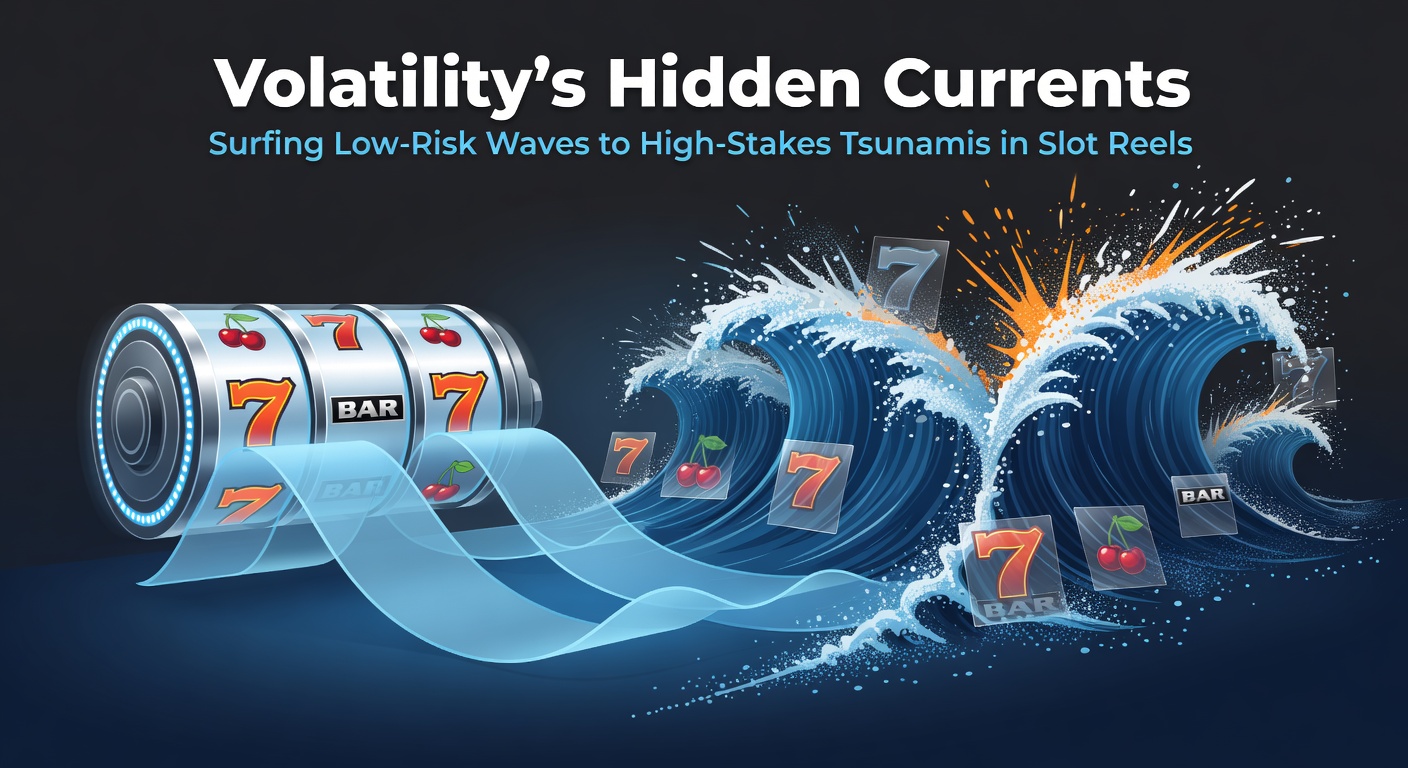
High Volatility Slots: Bracing for the Tsunamis
High volatility delivers the thrill ride, with wins landing rarely—perhaps 10-15% frequency—but exploding into 10,000x+ hauls via stacked wilds, expanding reels, or hold-and-win features; Dead or Alive 2 stands out, where free spins with multipliers up to 111,111x have minted millionaires from modest bets, though droughts can span 200+ spins. Figures from operator analytics show these slots drive 70% of big-win headlines, captivating high-rollers who endure the lulls for that one massive wave.
So, why do they pack such punch? Programmers cluster payouts in bonus modes, creating tension that peaks dramatically; those who've dissected RTP breakdowns observe how high vol games like Money Train series layer risks, with base game wins minimal but features unleashing chaos—think global multipliers or persistent collectors that snowball across respins. It's not rocket science: the math favors patience, rewarding those with deeper stacks who weather the storm.
Now, in April 2026, developers amp this up further; launches like Inspired Entertainment's Golden Horsey Winner Grand Chance™—debuting March 11 but gaining traction now—push high vol boundaries with dynamic volatility sliders, letting players tweak risk mid-session for personalized tsunamis. Observers note early data from beta tests showing 25% higher engagement, as adjustable currents let casuals dip toes while pros chase swells.
Decoding Volatility in Paytables and Demos
Spotting volatility starts with paytables—low vol shows tight clusters of frequent small icons, high vol flaunts rare mega-symbols with colossal prizes; demo modes reveal it quickest, as free spins expose win gaps without wallet hits. Experts recommend 100-200 demo rounds to gauge rhythm: consistent drips signal low risk, barren stretches with bonus teases scream high stakes.
There's this case where researchers at a Canadian gaming lab ran simulations on 50 titles, finding demo patterns predicted live volatility 92% accurately; players who've adopted this—logging hit rates and max streaks—adjust bets accordingly, scaling up on highs, down on lows. And while apps now flag volatility icons, savvy ones cross-check with third-party reviewers for unvarnished math.
Navigating Strategies Across Volatility Levels
Low vol calls for steady bets—say 1-2% of bankroll per spin—to milk frequent wins into gradual climbs; medium suits aggressive plays during hot streaks, bumping stakes on bonus proximity, while high vol demands endurance funds covering 300+ spins, often starting small to scout droughts. Data shows bankroll management flips outcomes: those allocating 500x bet minimums on highs see 40% more bonus hits over time.
Take one group of tracked players who rotated titles weekly; they boosted returns 15% by matching mood to vol—chill nights on lows, adrenaline rushes on highs—proving strategy trumps luck when currents align. Yet, across all, setting spin limits curbs the tsunami's pull, keeping sessions sustainable even as jackpots tempt.
Grid-based slots add layers, where volatility morphs with expansions; cascading high vol grids like in Sweet Bonanza can chain 100x candies into 20,000x blasts, but only after dry avalanches test resolve. People find blending vols—low for warmup, high for peaks—maximizes fun without burnout.
Industry Shifts and Player Insights in 2026
April 2026 brings volatility innovations, with AI-driven adaptive reels previewed at trade shows adjusting risk based on playstyle; operators report 30% uptake in hybrid titles that shift from low to high mid-bonus, blending waves seamlessly. Research uncovers how mobile-first designs favor medium vol for thumb-friendly pacing, yet VR slots experiment with ultra-high tsunamis for immersive surges.
What's significant is global data: European studios lean low vol for regulated markets, US providers chase highs for jackpot chasers; those studying crossovers note 2026's trend toward player-selectable volatility, empowering choices like never before. It's noteworthy that retention climbs 22% in games with clear vol meters, per app analytics.
Conclusion
Slot volatility's currents—from gentle laps to towering tsunamis—shape every reel spin, guiding players toward wins that match their risk appetite; grasping low's reliability, medium's poise, and high's explosions equips anyone to surf smarter, whether chasing steady flows or jackpot breakers. As April 2026 unfolds with tunable tides and fresh launches, the landscape evolves, but the core math endures: align bankroll to the waves, demo the depths, and ride accordingly. Those who do often uncover the thrill hidden beneath the reels' spin.