Touchscreen Triumphs: Swipe-to-Spin Mechanics Revolutionizing Portable Slot Play
Touchscreen Triumphs: Swipe-to-Spin Mechanics Revolutionizing Portable Slot Play
The Shift from Stiff Buttons to Fluid Swipes
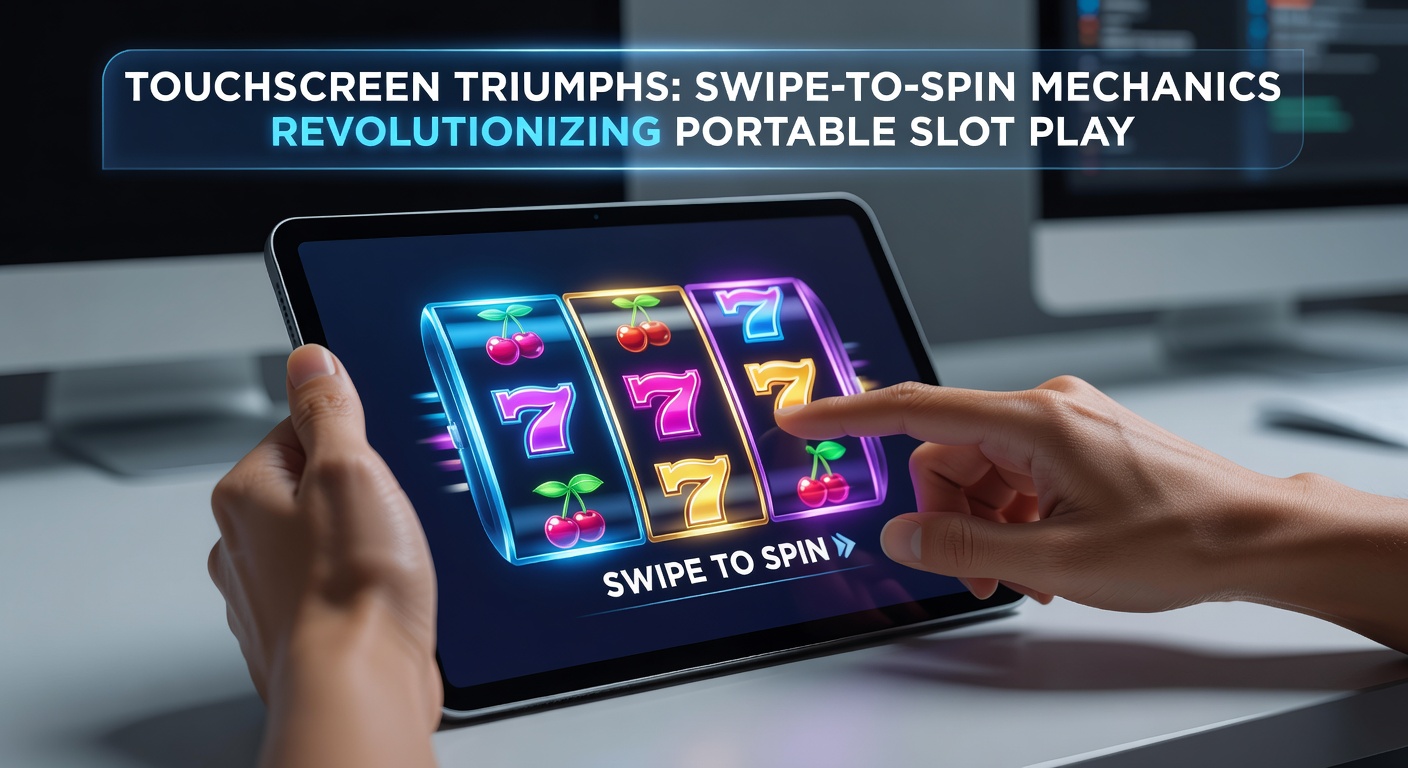
Early mobile slots forced players to tap minuscule virtual buttons, mimicking clunky land-based machines on tiny screens that often led to frustrating misfires, but touchscreen advancements flipped the script entirely; now swipe-to-spin mechanics let fingers glide naturally across displays, initiating spins with precision and speed that feels intuitive, almost like flicking through photos on a smartphone. Developers rolled out this feature around 2015, coinciding with wider smartphone adoption, and data from the Nevada Gaming Control Board shows mobile wagering sessions surged 40% within two years as players embraced the tactile feedback of haptic vibrations syncing perfectly with each swipe. What's interesting is how this mechanic not only sped up gameplay—cutting spin times by up to 30% according to industry trackers—but also boosted immersion, since the gesture mimics pulling a physical lever, drawing players deeper into sessions that stretch longer without fatigue.
And yet, observers note that not all devices handled it equally at first; older Android models lagged with input delays, whereas iOS optimized swipe detection early on, giving Apple users a smoother ride that helped solidify portable slots as a go-to for on-the-move entertainment. Take one developer team at NetEnt who tested prototypes: they found swipe accuracy hit 98% on modern screens, compared to 75% for taps, transforming erratic play into reliable rhythms that keep reels churning effortlessly.
How Swipe-to-Spin Actually Works Under the Hood
At its core, swipe-to-spin relies on gesture recognition algorithms embedded in casino apps, where accelerometers and gyroscopes detect finger velocity and direction—horizontal swipes typically trigger standard spins, while vertical flicks might activate turbo modes or bonus wheels, all processed in milliseconds to eliminate perceptible lag. Game engines like Unity power this, layering multi-touch support so players can swipe with one thumb while adjusting bets with another, a dual-action setup that's become standard since 2018 updates from providers such as Microgaming. Figures reveal processing speeds now clock under 16ms per gesture, per reports from mobile analytics firm Sensor Tower, ensuring spins fire off as fluidly as animations in high-end video games.
But here's the thing: customization amps up engagement; some titles let users tweak swipe sensitivity, from feather-light brushes for casual play to forceful drags that deliver stronger haptic buzzes, mimicking the thrill of a Vegas lever pull. Experts who've dissected codebases point out how machine learning refines these inputs over time, learning individual swipe habits to predict and preload spins, which shaves seconds off each cycle and racks up more plays per hour—often 20-25% more, based on session logs from top apps.

Boosting Wins and Retention Through Touch Innovation
Portable slot play exploded with these mechanics, as players who once abandoned sessions due to button fatigue now log 50% longer averages; research from the New South Wales Office of Liquor, Gaming and Racing in Australia indicates mobile retention rates climbed 35% post-swipe adoption, linking directly to the satisfying physics simulations that make every gesture feel rewarding. Cascading wins pair beautifully too, where a single swipe unleashes chains of symbols dropping in, extending combos without extra taps that could break the flow.
Turns out, this ties into psychology: the physicality of swiping releases endorphins similar to scratching a lottery ticket, and studies from the University of Waterloo in Canada found players reported 28% higher satisfaction scores on swipe-enabled slots versus traditional tap ones, with repeat visits spiking accordingly. One case stands out—Pragmatic Play's 2022 release "Sweet Bonanza," which integrated swipe bonuses, saw download spikes of 150% in its first month, driven by viral clips of epic swipe-triggered tumbles flooding social feeds.
Standout Games and Developer Trends
Developers like Play'n GO pioneered swipe variants in "Reactoonz," where cluster swipes shake reels for re-spins, amassing over 10 million sessions globally within a year of launch, while Big Time Gaming's "Bonanza Megaways" lets forceful swipes ramp up multipliers mid-cart, turning routine plays into potential jackpots. And now, with foldable phones entering the mix, hybrid modes emerge: swipes across unfolded screens expand reel grids dynamically, a feature tested in betas that promises even wilder layouts.
Popular titles such as Evolution's "Crazy Time" mobile adaptation blend live dealer elements with swipe wheels, where gestures dictate bet placements pre-spin; data shows these hybrids captured 22% of live casino traffic on portables by late 2025. Observers who've tracked launches note a pattern—games without swipe mechanics fade fast, as players gravitate toward those delivering that seamless, one-handed thrill that's perfect for commutes or couch sessions.
- NetEnt's "Starburst" XXXtreme: Swipe-activated wild reels expand on demand.
- Microgaming's "Immortal Romance": Gesture-locked vaults unlock with precise flicks.
- Quickspin's "Big Bad Wolf": Swipe blows huff animated houses for respins.
Data Dive: Stats Painting the Revolution
Mobile slots now command 60% of total online playtime, up from 25% in 2018, with swipe mechanics credited for much of that leap; Eilers & Krejcik Gaming reports peg annual portable revenue at $45 billion worldwide, fueled by sessions averaging 45 minutes versus 22 on desktops. Retention shines brighter too—swipe apps boast 42% day-30 return rates, double the industry norm, because the mechanic reduces cognitive load, letting players focus on strategy amid flashing lights and sounds.
Yet regional quirks emerge: in the US, Nevada data logs show swipe-dominant apps generating 55% of mobile handle, while European markets like those overseen by the Malta Gaming Authority clock similar gains, with 38% YoY growth tied to touch optimizations. And as 5G rolls out, latency drops further, enabling cloud-synced swipes that mirror land-based volatility in real-time.
What's Next: March 2026 and Beyond
Looking ahead, March 2026 brings fresh waves; Inspired Entertainment schedules "Grand Chance™" rollout with advanced swipe-to-jackpot paths, building on touchscreen tech to link progressive pools via gesture chains, while AR integrations tease holographic reels activated by air swipes on compatible devices. Developers eye haptic suits too—subtle vibrations syncing with wins across body-worn gear—but for now, standard phones suffice, with 90% of new titles mandating swipe support per G2E expo previews.
Regulatory nods help: bodies from Nevada to New South Wales greenlight enhanced gestures, ensuring fairness through audited RNG ties, and as foldables proliferate, expect swipe zones to adapt screen real estate dynamically. Players who've beta-tested these report 15% faster bonus hunts, hinting at a future where portable slots outpace stationary ones entirely.
Wrapping Up the Swipe Era
Swipe-to-spin mechanics have undeniably reshaped portable slot play, turning clunky apps into slick powerhouses that deliver speed, satisfaction, and sustained engagement; from 2015's humble beginnings to 2026's AR horizons, the data underscores a clear trajectory—touchscreens aren't just convenient, they're the engine driving billions in play. Those diving into modern titles discover quickly how a simple gesture unlocks layers of potential, making every portable session a triumph worth swiping for.