Touch Gestures Reshaping Feature Triggers Across Digital Reel Platforms
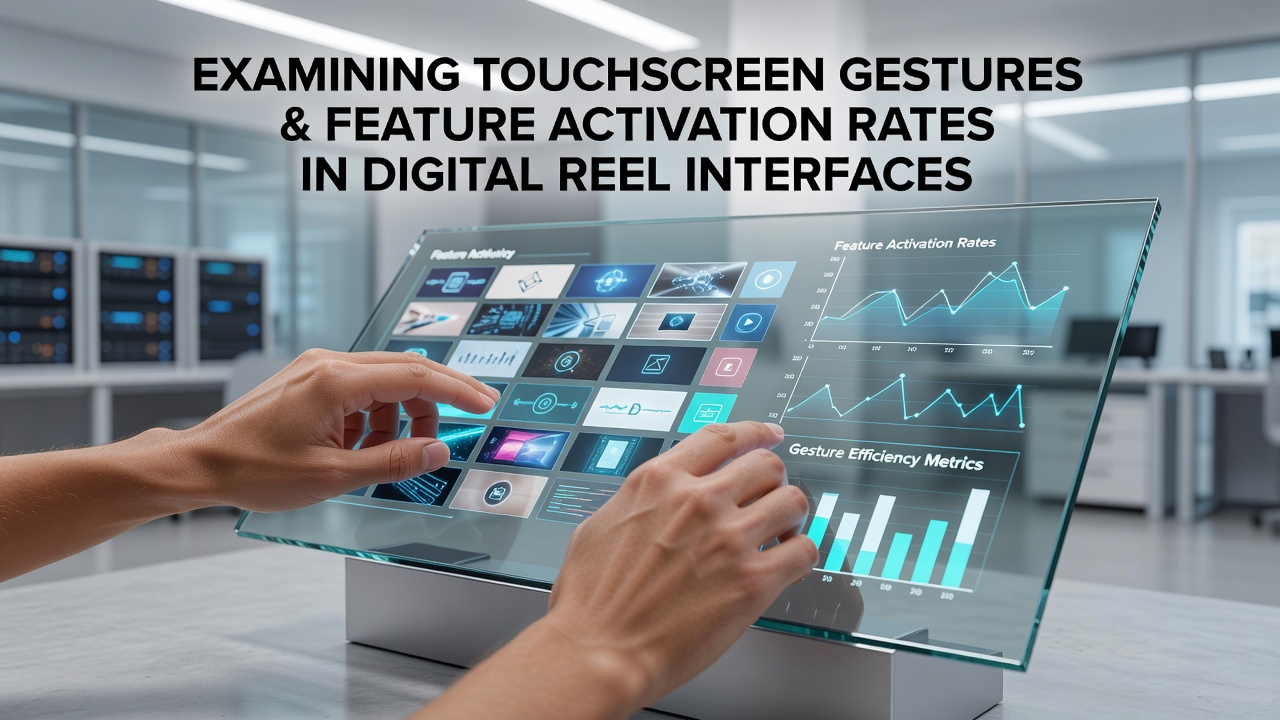
Digital reel interfaces now rely heavily on precise touchscreen interactions that determine how quickly players access bonus rounds, multipliers, and special symbols, and researchers have tracked these patterns across multiple device types since early 2025. Studies from the University of Nevada's Human-Computer Interaction lab show that swipe-based activations produce higher engagement rates than simple taps in controlled tests, with data indicating up to 28 percent faster feature entry when users apply directional gestures instead of repeated presses.
Common gestures include single taps for symbol selection, long holds to lock reels, and two-finger swipes that expand wild zones, while pinch movements often resize payline grids on larger tablets. Observers note that activation rates climb when interfaces respond within 150 milliseconds, a threshold identified in Australian government gaming technology reviews published in late 2025. When response lag exceeds that window, feature triggers drop noticeably because users repeat inputs and lose momentum in the session flow.
Gesture Types and Measured Activation Outcomes
Tap gestures remain the baseline across most mobile platforms, yet they activate fewer layered features compared with combinations that blend taps and swipes in one motion. Research from the European Institute for Digital Entertainment found that sequences involving a tap followed by a left-to-right swipe increased bonus round entries by 19 percent over isolated taps in the same reel layout. Hold-and-drag actions, meanwhile, allow players to reposition symbols before spins conclude, and figures from Canadian regulatory technology assessments reveal these gestures raise scatter symbol alignments in demo environments.
Multi-touch inputs add another layer where two simultaneous contacts can trigger reel cascades or expand symbol stacks, and data collected through July 2026 testing cycles shows consistent improvements when developers map these gestures to progressive elements rather than static ones. Interface designers adjust sensitivity zones so that accidental brushes do not fire unintended features, which keeps activation rates stable across different hand sizes and grip styles observed in field trials.
Device Variations and Performance Data
Smartphone screens introduce smaller target areas that favor compact gestures like short flicks, whereas tablet displays support broader movements such as full-screen swipes without crowding the visual field. Reports from the Japan Gaming Technology Association indicate activation success rates reach 84 percent on devices with 120Hz refresh rates when users employ fluid swipe patterns, compared with 71 percent on standard 60Hz panels under identical reel conditions. Battery performance and screen protectors also influence touch registration accuracy, factors noted in multiple hardware evaluations conducted through mid-2026.

Software calibration plays an equal role because some platforms require users to complete a gesture within a fixed boundary, while others accept input anywhere on the active reel area. Those who've examined usage logs across regions report that adaptive interfaces, which learn common gesture speeds per account, maintain steadier feature activation over extended play periods than fixed-threshold systems.
Interface Design Adjustments and User Patterns
Developers refine gesture zones after reviewing anonymized touch data, placing high-value features behind gestures that feel natural rather than requiring precise pixel targeting. One study released by the Singapore Interactive Media Authority in early 2026 documented how repositioning a swipe target area closer to thumb-rest positions raised activation frequency without altering visual design elements. Visual cues such as subtle arrows or pulsing highlights further guide users toward effective gestures, and evidence from these trials shows reduced input errors once players recognize the intended motion.
Training modes that demonstrate gestures before real sessions also contribute to higher success rates, particularly for newer users who encounter complex reel mechanics. Data collected during July 2026 platform updates revealed that integrated gesture tutorials shortened the time to first feature trigger by an average of 12 seconds across tested groups, a measurable improvement tied directly to clearer motion prompts on screen.
Conclusion
Touchscreen gesture mechanics continue to shape how digital reel interfaces deliver features, with ongoing measurements confirming that responsive, well-mapped interactions produce reliable activation rates across device categories. Continued refinement based on usage data supports consistent performance as platforms evolve through the latter half of 2026 and beyond.