The Hidden Mathematics of Reel Spinning: Patterns in Modern Casino Software
Modern casino software relies on intricate mathematical frameworks to simulate reel spins, and these systems produce outcomes through deterministic algorithms rather than true randomness. Researchers in gaming technology have mapped how pseudo-random number generators drive every reel position, creating sequences that appear unpredictable while following strict computational rules. Data from regulatory testing labs shows that these generators cycle through vast number sets at speeds exceeding thousands of iterations per second, ensuring each spin result derives from a precise mathematical seed value.
Core Mechanics of Pseudo-Random Generation
Slot developers implement linear congruential generators or more advanced Mersenne Twister variants to produce the base numbers that determine reel stops. These methods generate long-period sequences where each value depends on the previous state through modular arithmetic operations. Observers note that software engineers adjust parameters like multipliers and moduli to meet jurisdictional standards for unpredictability, and figures from independent audits reveal compliance rates above 99 percent across certified platforms. Yet the underlying process remains fully reproducible when the initial seed and algorithm state become known, which explains why testing protocols emphasize statistical distribution checks over extended spin samples.
Virtual Reel Mapping and Symbol Weighting
Physical reel appearances give way to virtual reel strips that contain far more positions than visible symbols suggest. Engineers assign different weights to each symbol through mapping tables, so high-value icons occupy fewer virtual stops while low-value ones fill larger portions of the strip. This structure directly controls hit frequencies, and studies from the University of Nevada Gaming Laboratory document how weighted distributions produce theoretical return-to-player percentages that operators publish in game rules. One analysis of commercial titles demonstrated that expanding virtual reel lengths from 22 to over 100 stops allowed finer control over jackpot probabilities without altering the visual reel layout that players see on screen.
Patterns emerge when software cycles repeat across multiple spins because the generator state advances in fixed increments. Although players rarely detect these cycles during normal sessions, data loggers used in compliance testing capture recurring subsequences that align with specific seed values. Those who've examined large datasets find that certain symbol combinations cluster at predictable intervals when measured against the full period length of the generator, yet regulatory frameworks require these intervals to exceed billions of spins before repetition occurs.
Statistical Testing and Distribution Validation
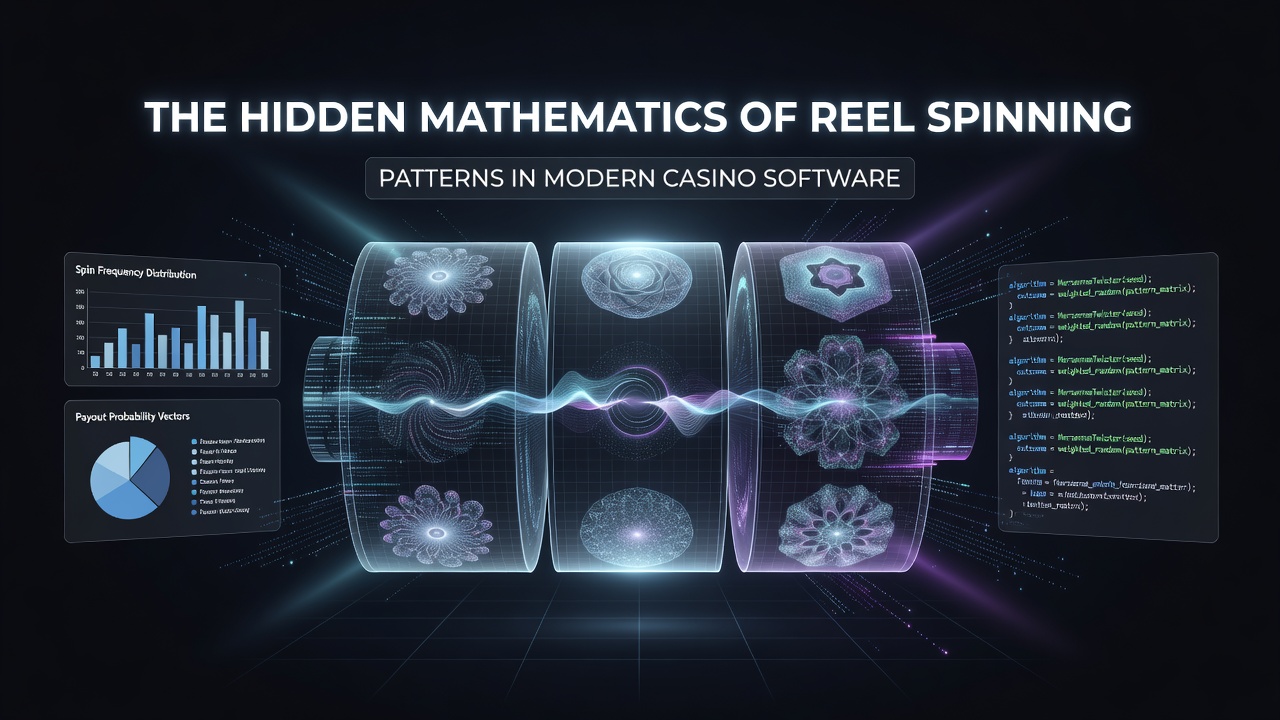
Certification bodies apply chi-square tests, serial correlation analysis, and runs tests to verify that generated outcomes match expected uniform distributions. Reports issued by the Nevada Gaming Control Board in early 2026 highlight how laboratories now incorporate machine-learning classifiers to detect subtle non-random artifacts that traditional tests might overlook. These enhanced protocols process millions of simulated spins per game title, and results indicate that approved software maintains deviation margins below 0.1 percent from theoretical probabilities across all paytable combinations.
Developers embed additional safeguards such as hash-based verification and continuous entropy monitoring to prevent state prediction attacks. When external auditors review source code, they trace how each reel stop calculation incorporates both the current generator output and game-specific mapping functions. This layered approach ensures that even if one component becomes compromised, downstream calculations remain independent and statistically sound.
Advancements Observed Through Mid-2026
By June 2026 several studios integrated quantum-resistant random number generators into their platforms following guidance from the Australian Communications and Media Authority technical working groups. These implementations combine classical algorithms with post-quantum cryptographic primitives, producing sequences that resist both classical and quantum analysis techniques. Industry reports note that adoption rates reached approximately 35 percent among new title releases in regulated markets during the first half of the year, driven by updated technical standards rather than any observed vulnerabilities in existing systems.
Multi-threaded implementations now allow parallel generation across multiple reels while maintaining strict sequential dependency within each virtual strip. Engineers achieve this through careful synchronization of generator states, and performance benchmarks published by the European Gaming Institute show throughput improvements of 40 percent compared with single-threaded predecessors. The added speed supports higher-resolution reel animations without sacrificing mathematical integrity.
Conclusion
The mathematics underlying reel spinning in contemporary casino software centers on carefully engineered pseudo-random processes, weighted virtual mappings, and rigorous statistical validation. Regulatory bodies across multiple jurisdictions continue to refine testing methodologies as computational capabilities advance. Those who analyze these systems recognize that every visible outcome traces back to deterministic calculations executed at machine speed, and documented patterns remain confined within the enormous state spaces that modern generators occupy. Continued research from academic and industry laboratories promises further refinements in both security and performance metrics through the remainder of 2026 and beyond.