Navigating Digital Reel Layouts: How Modern Slot Architectures Adapt to Touchscreen Interactions for Enhanced Feature Triggers
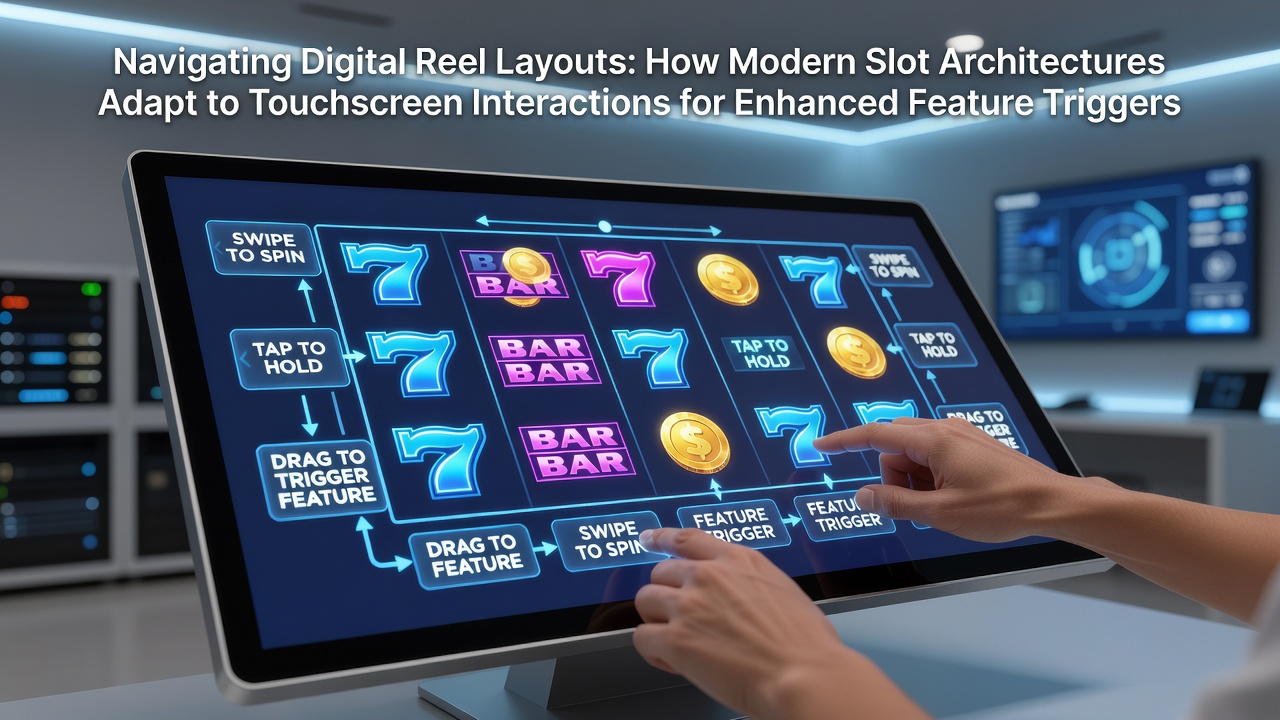
Slot game developers have refined reel layouts over recent years to match the demands of touchscreen devices where players tap, swipe, and pinch to control spins and activate features, and these changes appear in both mobile apps and browser-based platforms. Data from industry analyses show that adaptive architectures now prioritize responsive grids that resize automatically across screen sizes while preserving symbol alignment and payline integrity during interaction.
Reel Layout Evolution in Digital Environments
Traditional fixed-reel designs gave way to dynamic systems that adjust column counts and spacing based on device orientation, and researchers tracking these shifts note that vertical layouts expanded to accommodate finger-friendly touch zones without crowding symbols. Engineers integrated multi-layer rendering so background animations and foreground reels respond independently to user input, which allows smoother transitions when a player rotates a phone or tablet mid-session.
Studies conducted by university labs specializing in human-computer interaction reveal that optimized spacing between reels reduces accidental taps, while variable reel speeds tied to gesture velocity create more intuitive control loops. These modifications emerged gradually as hardware capabilities advanced, with developers testing prototypes on various operating systems to confirm consistent behavior across models released through 2025 and into 2026.
Touchscreen Mechanics and Gesture Mapping
Modern slot architectures map specific gestures to core functions, such as a downward swipe initiating a spin or a long press locking individual reels for respin sequences, and software frameworks handle these inputs through layered event listeners that distinguish intentional commands from incidental contact. Touch targets expand during bonus rounds to accommodate larger finger areas, while haptic feedback provides confirmation without visual clutter on the screen.
According to reports from the American Gaming Association, operators observed higher engagement rates when interfaces incorporated pinch-to-zoom for inspecting symbol clusters in cluster-pay formats, and similar patterns appear in games that allow players to drag symbols into position during certain feature phases. Developers continue refining these mappings through iterative user testing sessions that measure response accuracy and completion times for standard actions.
Enhancing Feature Triggers Through Interaction Design
Feature triggers now respond to sequenced touch patterns rather than random reel stops alone, so a double-tap on a mystery symbol might reveal its value immediately while a circular swipe collects scattered icons into a bonus meter. These systems rely on state machines that track gesture sequences alongside random number generation, ensuring triggers remain fair yet more accessible on touch surfaces.
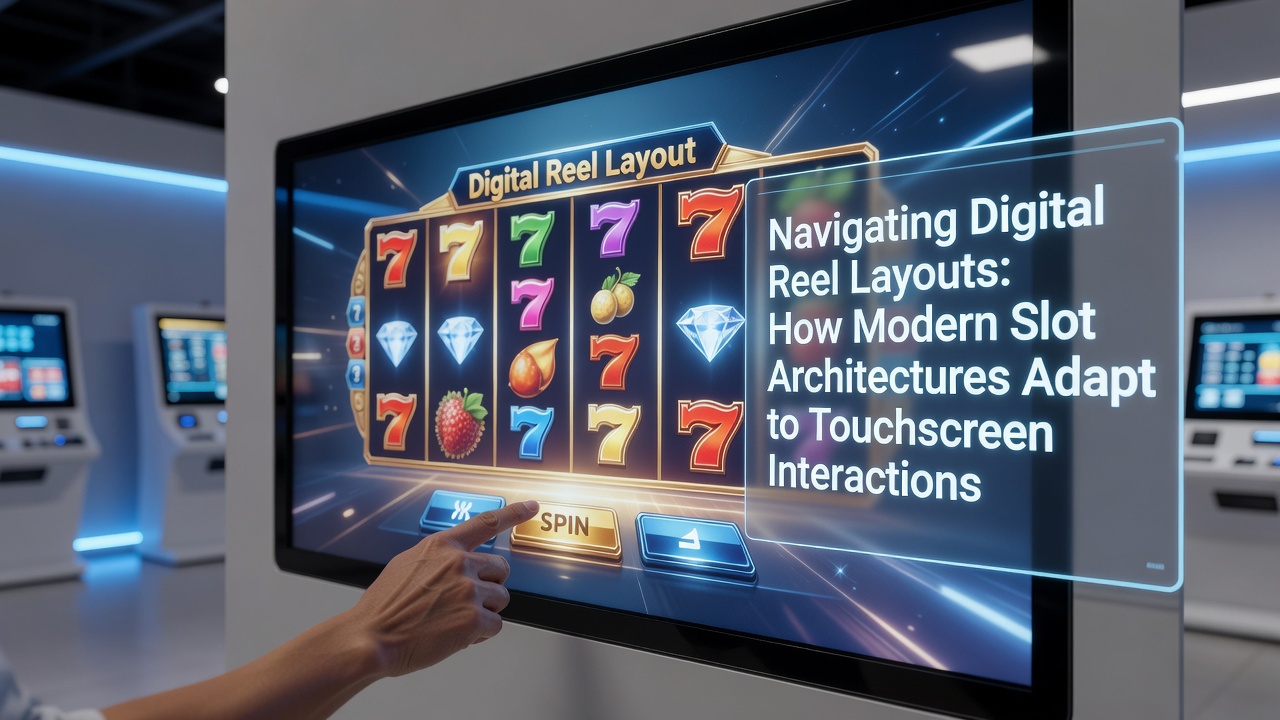
Game studios have documented cases where multi-touch support enables simultaneous reel holds and feature selections, shortening the path from base game to bonus without adding extra menus. In July 2026 several platforms updated their engines to support pressure-sensitive touches on compatible devices, allowing light taps to nudge reels slightly while firmer presses lock them, and early adoption metrics indicate these options integrate cleanly with existing regulatory testing protocols.
Technical Architecture Behind Adaptive Systems
Backend frameworks use modular reel engines that separate visual rendering from logic processing, which permits quick swaps between portrait and landscape configurations without reloading the entire game state. Collision detection algorithms prevent overlapping touch zones during cascading sequences, and data logs from live operations show reduced error rates when these modules receive regular calibration based on player behavior patterns across regions.
Industry organizations such as the European Gaming and Betting Association have highlighted standardized APIs that facilitate consistent gesture recognition, and these standards help smaller studios implement advanced interactions without building every component from scratch. Observers note that cloud-based testing environments now simulate thousands of simultaneous touchscreen sessions to verify stability before wider releases.
Conclusion
Slot architectures continue evolving to align reel layouts with touchscreen capabilities, resulting in more direct pathways to feature triggers through mapped gestures and responsive designs. Figures from multiple regulatory bodies and research groups indicate sustained investment in these adaptations as device diversity grows, and ongoing refinements focus on maintaining clarity and fairness while supporting varied player interaction styles across global markets.