Linked Prize Networks Reshaping Digital Reel Entertainment
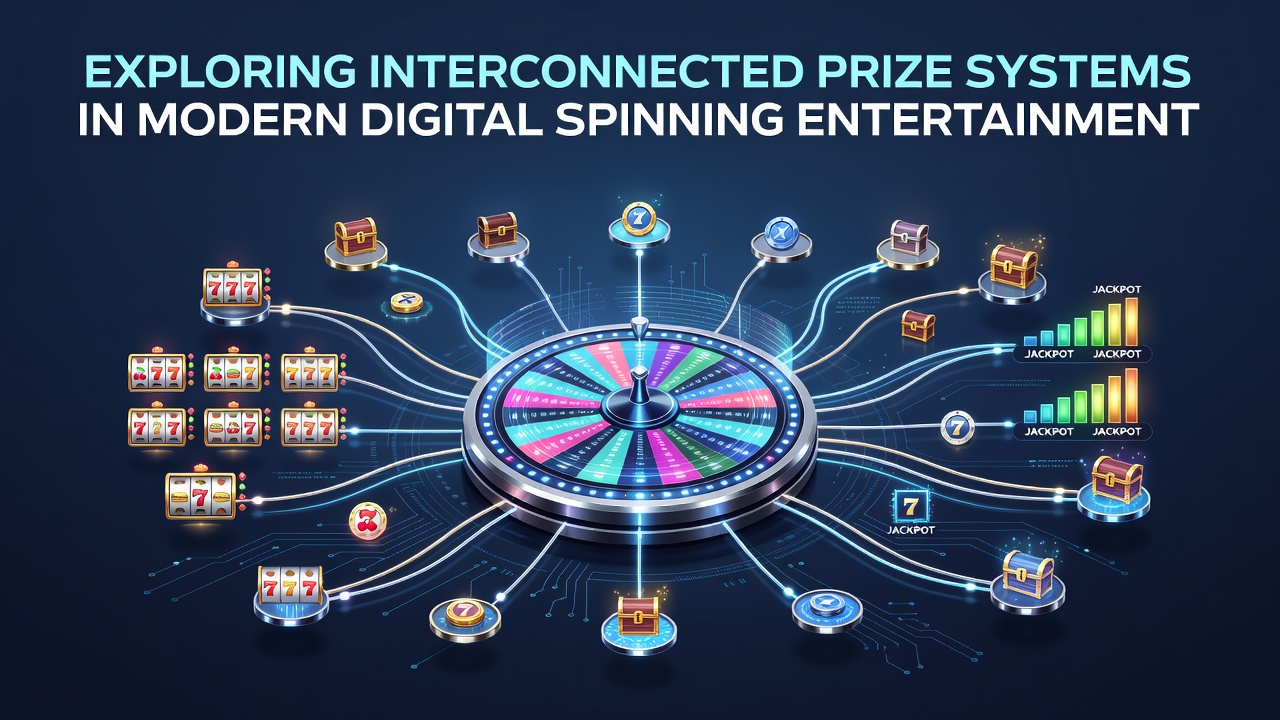
Interconnected prize systems operate through shared contribution pools where individual machine wagers feed into collective prize structures, and this model has expanded significantly in online spinning entertainment since the early 2000s. Observers note that each spin on a participating game adds a small percentage to a central fund, which then distributes across linked terminals when specific trigger conditions activate.
Mechanics Behind Networked Prize Pools
Modern implementations rely on real-time data synchronization across servers, so when one player contributes to the pool the updated total reflects instantly on all connected devices; this process uses secure protocols that prevent discrepancies during high-volume play periods. Research from industry reports indicates contribution rates typically range between 1% and 3% of each wager, though exact figures vary by jurisdiction and operator configuration.
Trigger events often combine random number generation with threshold-based activations, and designers integrate these elements so that base game symbols interact with the overarching network without disrupting individual session flow. Those who've examined system architecture find that seed amounts established at launch help maintain prize visibility even after major payouts occur.
Expansion Across Digital Platforms
Digital environments allow these networks to span multiple game titles and geographic regions simultaneously, whereas land-based versions once required physical cabling between cabinets. Data shows participation grew further when mobile integration became standard, enabling players to access the same prize pools from various devices while maintaining consistent contribution tracking.
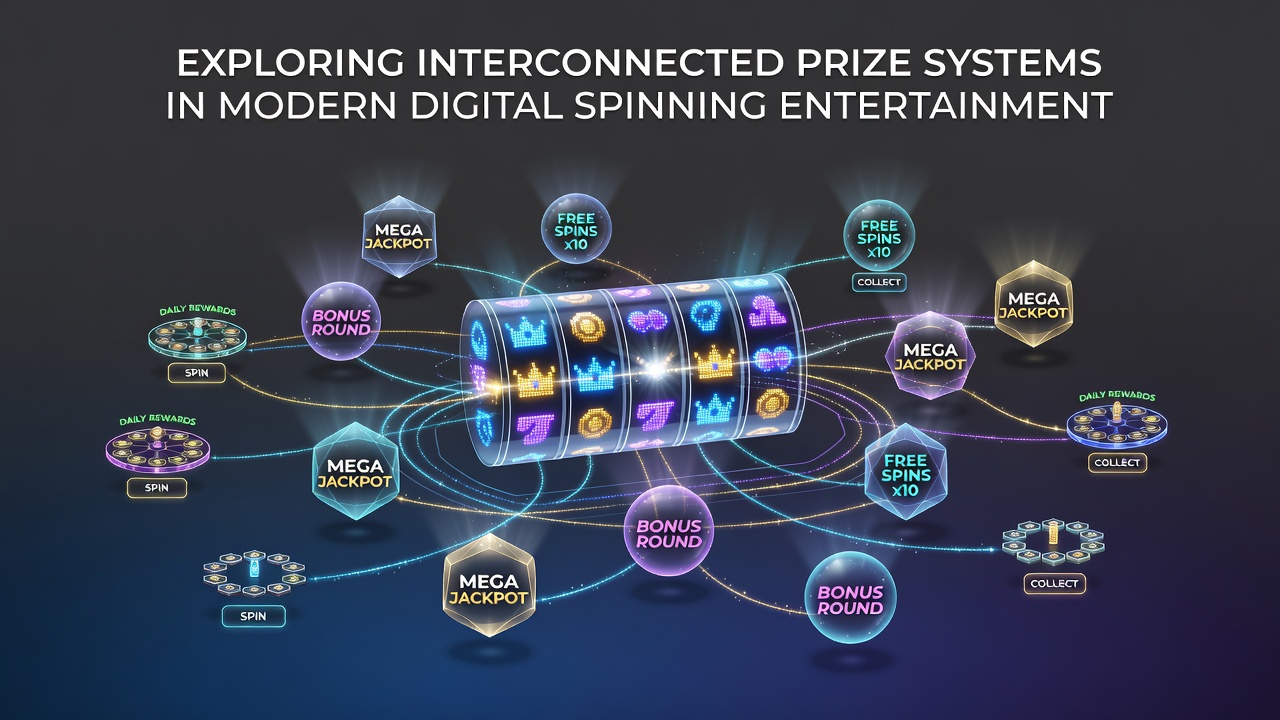
By July 2026 several operators had rolled out cross-brand linkages that combined titles from different studios under single prize umbrellas, and regulatory filings from the Nevada Gaming Control Board document approval processes for such multi-jurisdictional setups. The structure supports both local area progressives confined to one venue network and wide area systems that aggregate contributions internationally.
Technical Standards and Compliance Requirements
Certification bodies evaluate these systems for fairness through statistical modeling of prize distribution patterns, and testing protocols examine how contribution rates affect expected return percentages over extended play cycles. Experts at organizations such as the International Association of Gaming Regulators have reviewed frameworks that require transparent display of current prize levels and clear disclosure of eligibility rules.
Security measures include encrypted transaction logs and redundant server architecture, which together reduce the risk of manipulation during peak traffic; audits conducted in multiple regions confirm that these safeguards align with standards established for digital gaming operations. Patterns observed in operational data reveal that well-maintained networks sustain player interest through visible prize growth without requiring constant manual intervention.
Player Interaction With Shared Systems
Participants engage with these mechanics by selecting games that display current pool totals, and interface designs present contribution meters alongside standard paytables so individuals can track progress toward activation thresholds. Studies of session behavior indicate that visible prize escalation correlates with extended play duration in documented cases across various platforms.
Examples include networks where multiple reel configurations feed into one prize tier, allowing different volatility profiles to support the same overarching fund; this approach lets operators diversify game offerings while preserving a unified reward structure. Those monitoring industry metrics note steady adoption of such hybrid models in both established and emerging markets.
Conclusion
Interconnected prize systems continue to evolve through refinements in server connectivity and regulatory oversight, and their presence in digital spinning entertainment reflects ongoing adaptation to technological capabilities. Figures from approved deployments demonstrate sustained integration across platforms, while compliance documentation from diverse jurisdictions outlines the operational boundaries that govern future expansions.